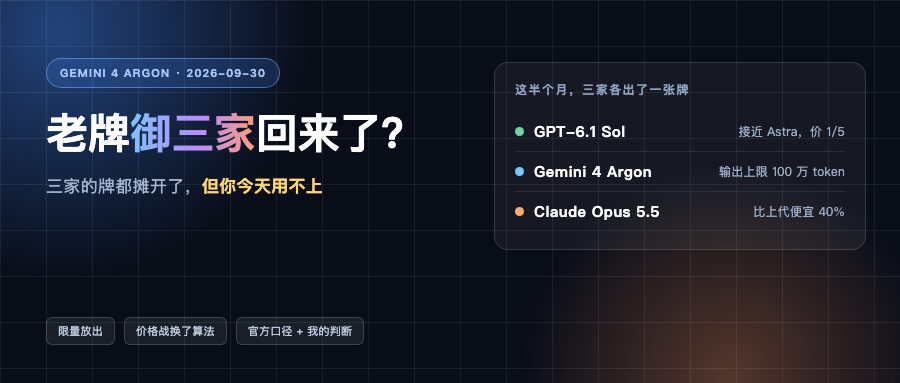
Are the Big Three Back in the Game?
First reaction: “oh, finally.”
First reaction: “oh, finally.”
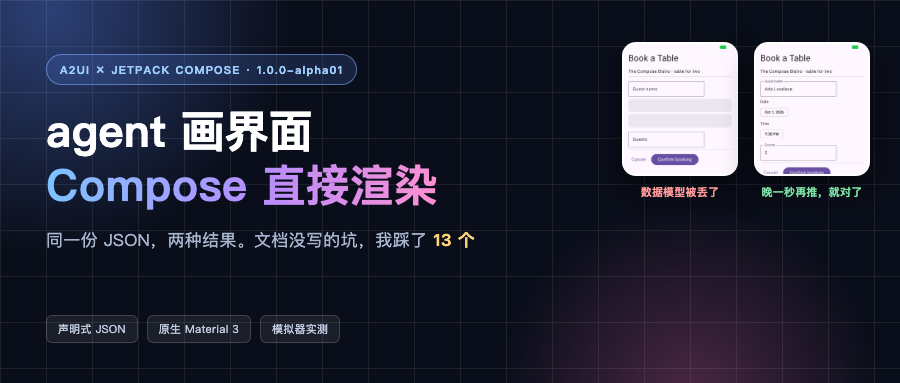
Same JSON, same app, same run.
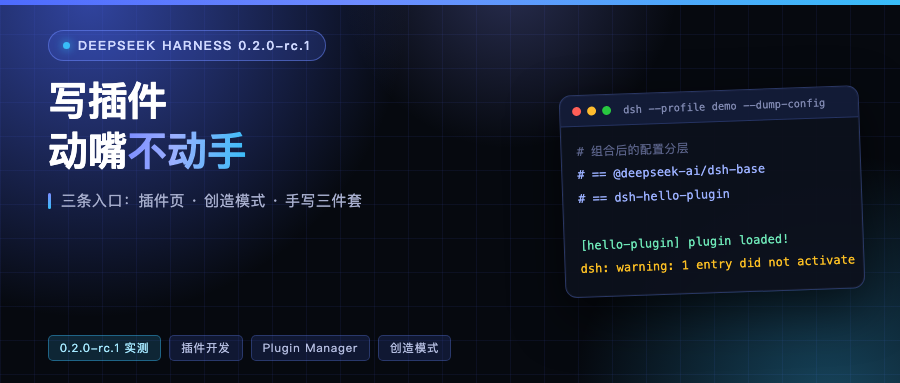
On September 28 DeepSeek Harness shipped v0.2.0-rc.1. Two items in the release notes concern plugins: an improved plugin management UI and install guidance, and a creation mode with fleshed-out plugin development instructions plus an experience skill.
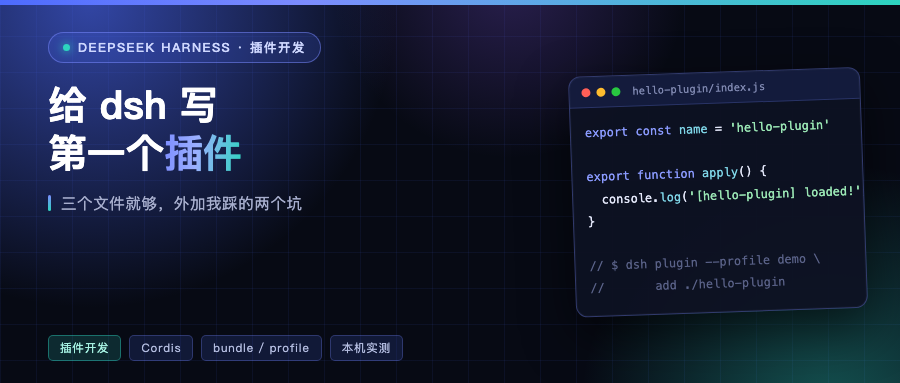
On the night of September 28, the DeepSeek Harness plugin list gained three entries at once: crypto-ticker, a crypto price card in the lower left of the sidebar; busy-workspace, which pins workspaces with running sessions to the top of the list; and router-laya, which picks a thinking level for each message automatically.
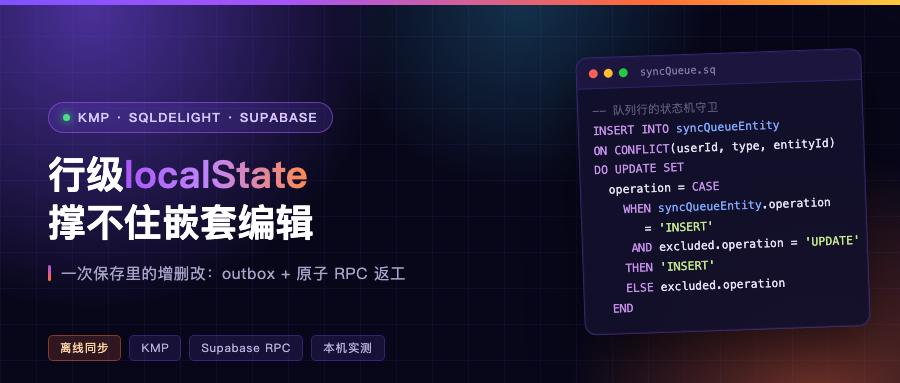
A user edits a checklist on the subway: adds two levels, renames one of them, deletes the one they do not want. The whole thing happens offline and only uploads once they are back above ground.
A couple of days ago a post about a niche piece of software crossed my feed — a project called Piko, posted by its own developer: an open-source third-party PikPak client, Android and Windows, sharing both UI and business code across the two.
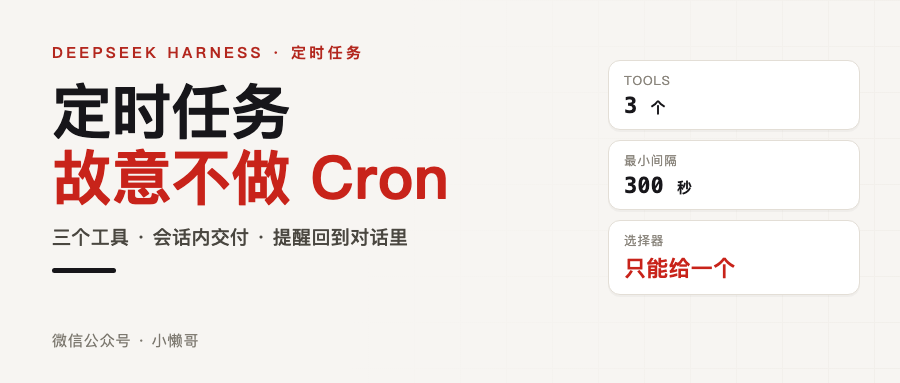
You want the agent to remind you to review a PR in a bit, or come back every hour while a build runs.
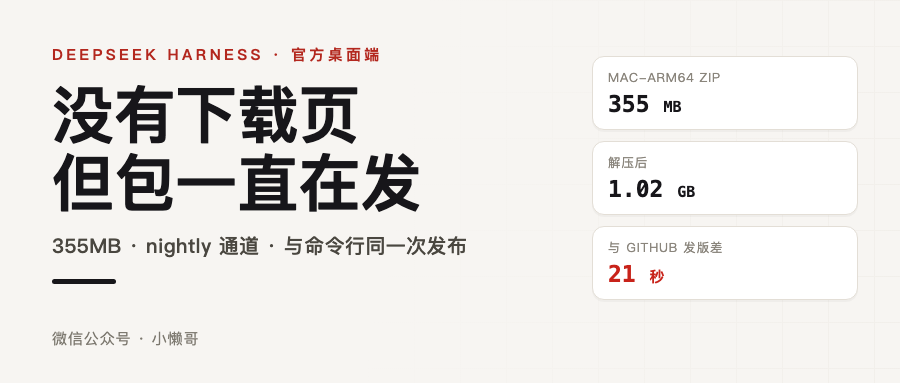
@deepseek-ai/dsh-desktop 404s on npm, the last five releases in the official repo have zero attachments, and searching the whole site for “download” turns up nothing. Follow those three leads and you conclude: there is no official desktop app.
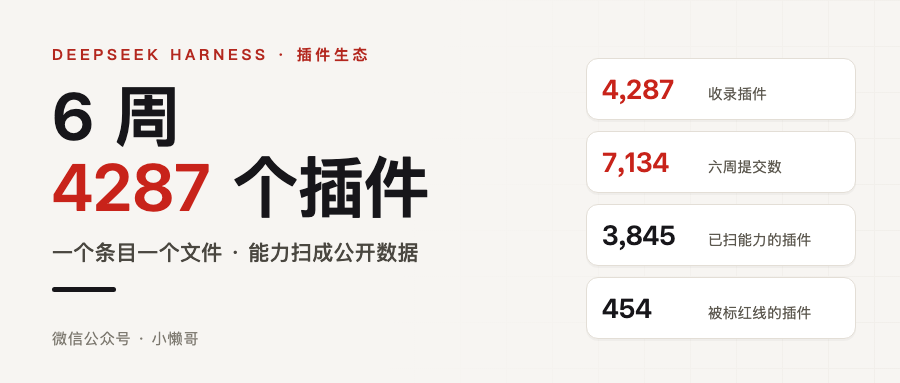
awesome-dsh-plugin.com has a search box at the top with 4287 / 4287 in the corner. Below it, a row of category tags: UI 731, tools and capabilities 567, development and runtime 312, sessions and messaging 281, workflow 260, usage and billing 226, models 206, memory 202…
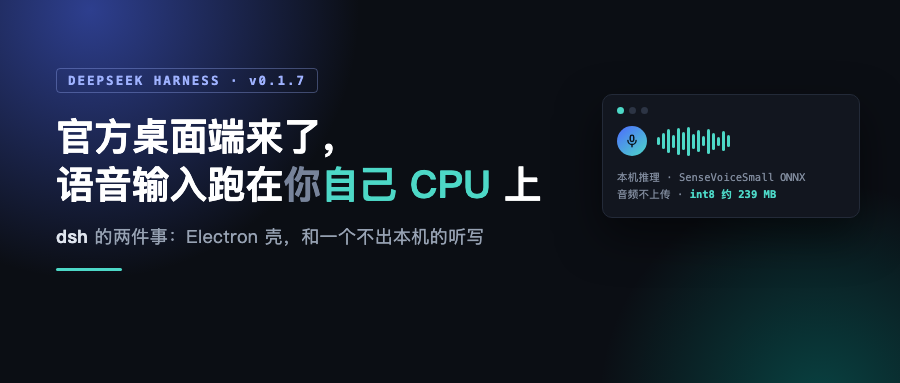
dsh is a web app: run npx to start the server, it takes port 3080, open a browser tab and work with the agent there. It works, but switch windows or close the browser and you have to go find it again. It always feels like living in someone else’s house.
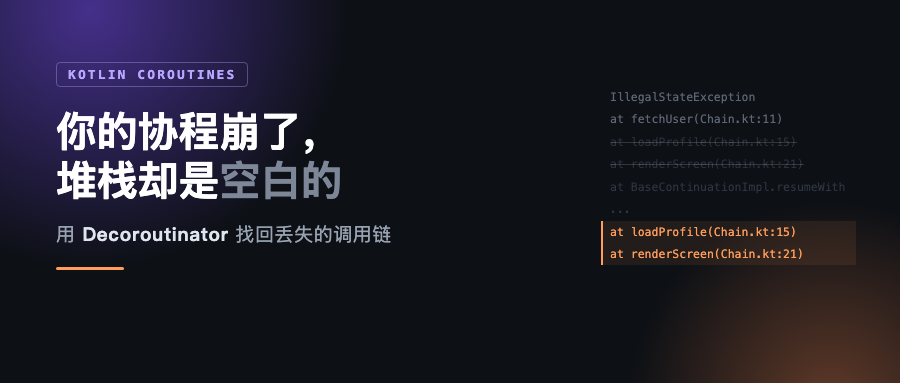
Production threw an IllegalStateException. You open the stack trace and see this:
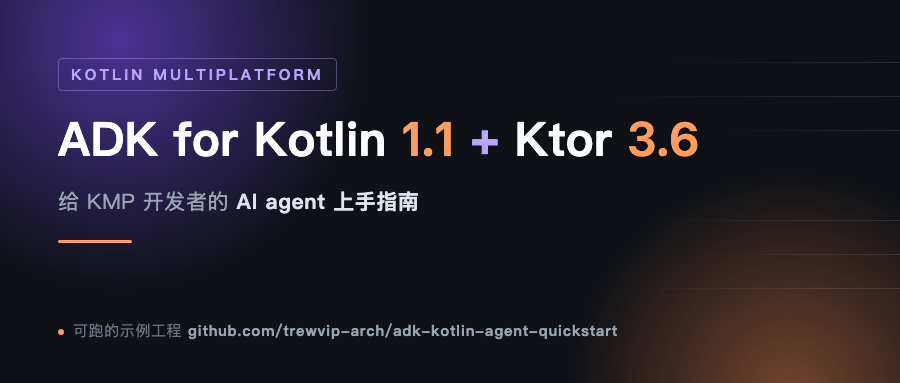
Python’s agent frameworks have already cycled through several generations — LangChain, LlamaIndex, and now Google’s own ADK. Kotlin has been quiet the whole time — not because nobody wanted to build one, but because there was nothing official to lean on, and nobody quite dared put it in production.